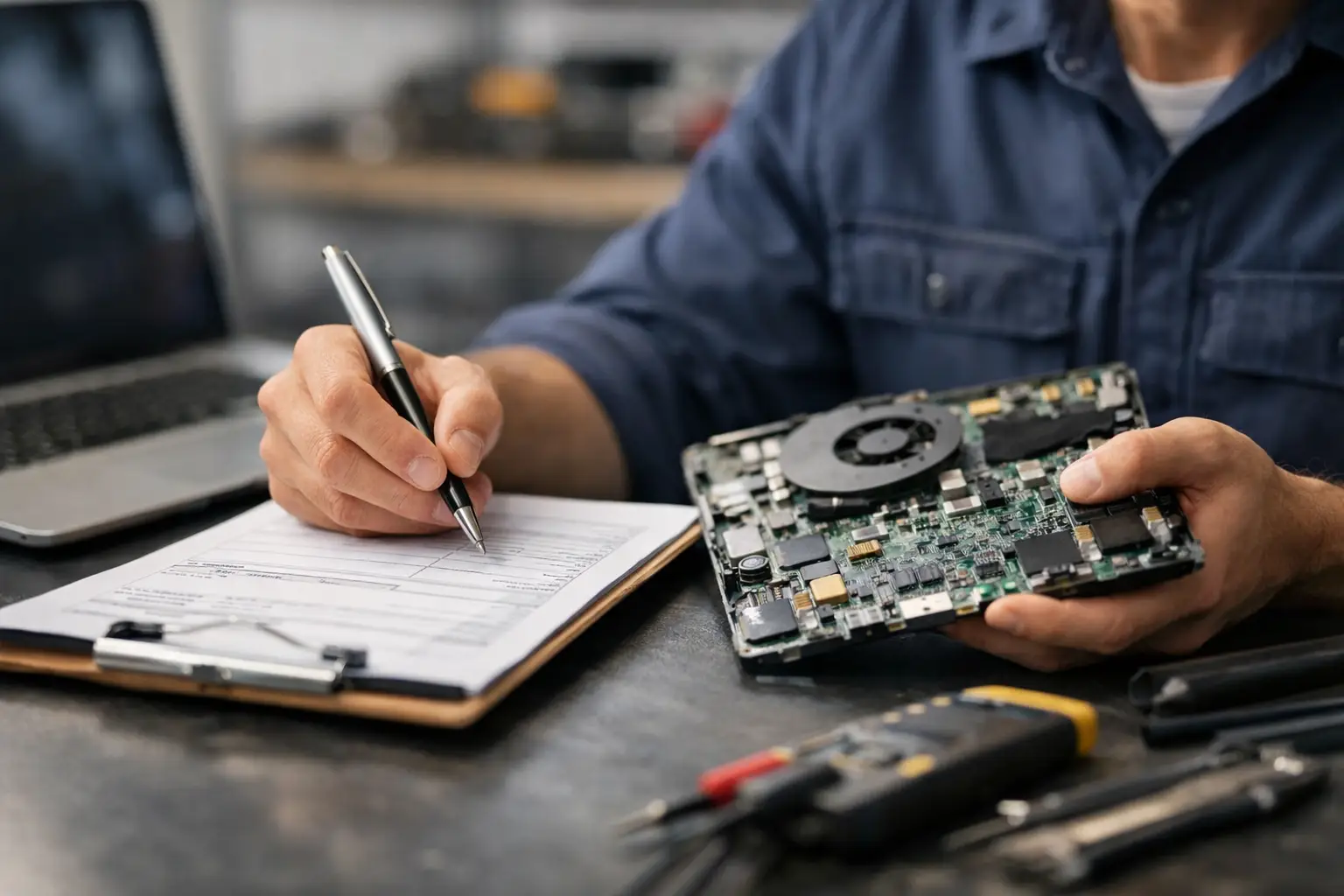
A completed repair is not fully complete until the record proves what happened, where it happened, who performed the work, and what condition the area was left in. That is the standard behind the best practices for repair documentation. For property managers, strong documentation eliminates the familiar follow-up cycle: chasing photos, clarifying invoice notes, disputing scope, and trying to reconstruct a repair weeks after a resident complaint.
For multifamily and commercial portfolios, repair records are operational evidence. They support billing approval, resident communication, vendor accountability, preventive planning, and asset decisions. A vague work order that says “fixed leak” creates questions. A documented record with before-and-after photos, material details, technician notes, timestamps, and approval history creates control.
Why Repair Documentation Drives Better Property Operations
Documentation is often treated as an administrative task that happens after the real work. In managed properties, it is part of the work. A repair record is the handoff between the field, the property manager, accounting, ownership, maintenance staff, and sometimes the resident.
Consider a drywall repair caused by a plumbing leak. The property manager needs more than confirmation that the wall was patched. They may need to know the source of the damage, whether moisture was found, which unit or common area was affected, what materials were replaced, whether paint was matched, and whether the resident was notified. If the issue returns, that original record becomes the starting point instead of a guessing game.
Good documentation also protects the relationship between managers and contractors. Clear records make it easier to approve legitimate work quickly. They also expose scope changes, access issues, and conditions that were not visible at dispatch. That transparency matters when one vendor is handling recurring service calls across dozens or hundreds of units.
Start Every Record With a Clear Job Identity
Every repair needs a consistent identifier before a technician arrives. At minimum, the work order should connect the property, building, unit or exact area, requester, issue category, and priority level. “Apartment 204 repair” is not specific enough. “Building C, Unit 204, hall bathroom ceiling stain below Unit 304” tells the next person exactly where to look.
Use a work order number that stays attached to the request from dispatch through invoicing. If the repair turns into a larger project, inspection, or insurance-related conversation, that number should follow the work. Splitting the story across text messages, paper notes, email threads, and an invoice creates avoidable risk.
The description should capture the reported condition, not just the requested task. A resident may report that a door will not close. The technician may find failed hinges, swollen trim from prior moisture exposure, or a shifted strike plate. Recording both the complaint and the field finding creates a complete history.
Separate Reported Symptoms From Field Findings
This distinction prevents confusion and protects accuracy. The initial request is what someone observed. The field finding is what the technician confirmed after inspection. Keep both in the record.
For example, a request might read: “Resident reports no power at kitchen outlets.” The completion note might state: “Reset tripped GFCI serving kitchen counter outlets. Tested downstream receptacles. Power restored. No visible heat damage or loose devices observed.” That note shows the actual corrective action without overstating the issue.
Capture Proof Before, During, and After the Repair
Photos are one of the strongest tools in repair documentation, but only when they are useful. A single blurry close-up of a finished wall does not establish the original condition, repair scope, or final quality.
Before work begins, capture the affected area wide enough to establish location and close enough to show the defect. During work, photograph hidden conditions that will be covered, such as damaged framing, plumbing connections, subfloor deterioration, or insulation replacement. After completion, document the finished condition from an angle that makes the result easy to verify.
The goal is not to create a photo archive for every screw turned. It is to create evidence proportionate to the risk, cost, and visibility of the repair. A five-minute adjustment to a cabinet latch may need a concise completion photo. Water damage remediation, drywall replacement, or exterior repairs require a more complete visual trail.
When occupied units are involved, technicians should also use sound judgment. Photograph the repair area, not residents’ personal information, belongings, or private spaces unless those items are directly relevant to the documented condition. Respectful documentation reduces privacy concerns while still protecting the property.
Write Completion Notes That Answer Management’s Questions
A strong closeout note should let a property manager understand the job without calling the technician. It does not need to read like a construction report. It does need to be specific.
Avoid generic entries such as “completed,” “repaired,” or “all good.” Those phrases close a ticket but do not explain the work. Instead, record the condition found, corrective action, material or part used when relevant, testing performed, and any follow-up required.
A practical completion note might read: “Removed failed bedroom closet bypass door bottom guide. Installed new guide and adjusted door alignment. Cycled doors multiple times to verify smooth operation. Resident present at completion. No follow-up needed.” The note is short, factual, and easy to approve.
If the repair could not be completed, document the reason with the same discipline. Was access unavailable? Was a special-order part required? Did the technician identify a larger issue outside the approved scope? State what happened, what was done to secure the area, and what decision is needed next. Zero guesswork is the standard.
Record Labor, Materials, and Scope Changes in Real Time
Accurate labor and material records are not only for billing. They help property teams identify repeat failures, compare repair-versus-replace decisions, and understand where maintenance budgets are going.
Technicians should log arrival and completion times through a consistent system. GPS-verified timestamps can add confidence for managed portfolios, especially when managers are coordinating access, resident notices, and multiple vendors. Time records should reflect actual field work, not estimates added days later.
Material notes should be practical. There is no need to list every fastener used on a minor repair, but significant parts and finish materials should be identifiable. Document model numbers for equipment components, paint colors where known, lock hardware, flooring products, and specialty items. That information saves time when the same issue comes back or another unit needs a matching repair.
Scope changes deserve immediate attention. If a technician opens a wall and finds damage beyond the original request, stop treating the work order as if nothing changed. Add photos, explain the condition, provide a recommendation, and obtain approval when required. This protects the manager from surprise charges and the contractor from unpaid work.
Build a Consistent Repair Documentation Workflow
The best practices for repair documentation work only when the process is repeatable across emergency calls, unit turns, recurring maintenance, and capital repair projects. The workflow should be simple enough for field teams to follow under pressure and detailed enough for management to rely on.
A dependable process includes these five checkpoints:
- Dispatch: Create a precise work order with location, issue description, priority, access instructions, and authorization limits.
- Arrival: Confirm the area, document the starting condition, and note any mismatch between the request and field conditions.
- Work in progress: Record hidden damage, safety concerns, scope changes, and approval requests before covering or correcting conditions.
- Completion: Add photos, a specific work summary, labor and material details, testing results, and any resident or site contact interaction.
- Closeout: Review the record for missing information, attach it to the correct property history, and make it available for invoice approval and future reference.
Consistency matters more than complexity. A property manager should not receive polished reports for major projects and incomplete notes for routine service calls. Minor repairs can become recurring problems, resident disputes, or unit-turn delays. Their history has value too.
Use Documentation to Find Patterns, Not Just Close Tickets
A well-organized repair history becomes more useful over time. It can reveal that the same plumbing fixture is failing across a building, that a particular door hardware type creates repeated service calls, or that moisture issues are concentrated around certain windows. Those patterns support smarter planning.
Review repair data by property, building, trade category, unit, and recurring issue. Look for repeated calls within 30, 60, or 90 days. A repeat repair does not always mean poor workmanship. It may point to an underlying condition, a product failure, resident use issue, or a repair that addressed the symptom rather than the source.
This is where organized field records support asset protection. Instead of reacting to every ticket in isolation, managers can decide when a recurring repair category should become a planned replacement or renovation project. The records make that recommendation easier to defend to ownership.
Make Accountability Easy for Everyone
The right documentation system should reduce management workload, not create another portal that needs daily policing. Property teams need fast access to the facts: what was requested, what was found, what was completed, what it cost, and whether more action is needed.
That requires contractors to treat records as part of service delivery. At Well Done Construction LLC, the goal is not simply to mark work complete. It is to provide a documented repair history that gives property managers confidence to move on to the next priority.
Set the expectation with every maintenance partner: if the repair cannot be verified, explained, and located later, the documentation is not finished. That small operational standard prevents large administrative problems and keeps your portfolio easier to manage.